


Last Updated: November 22, 2026
Quick Summary
The best alternatives to memory supplements for seniors are a medical review to rule out treatable causes, aerobic and strength exercise, better sleep, social contact, mental stimulation, and a MIND-style diet. These options have stronger evidence and lower cost than memory supplements, which are best added only after these basics are in place.
- Memory supplements cannot prevent dementia, and their evidence is generally modest and mixed.
- A pharmacist review of medications is often free and can catch interactions that affect memory.
- Aim for moderate aerobic activity most days plus two short strength sessions weekly.
- The MIND diet emphasizes leafy greens, berries, nuts, and fish while limiting processed foods.
- Reassess your plan in eight to twelve weeks before adding a supplement.
Table of Contents
- Why Seniors Look Beyond Memory Supplements
- Causes of Memory Problems in Older Adults: Start Here
- Natural Ways to Improve Memory in Seniors: What Actually Works
- Foods That Support Brain Health
- Exercise and Memory in Older Adults
- Comparing Alternatives: Effort, Evidence and Cost
- Where a Targeted Formula Fits: Health IS Wealth Options
- Building a Memory Support Plan That Fits Your Life
- Frequently Asked Questions
Why Seniors Look Beyond Memory Supplements
Memory supplements are one option among many for supporting cognitive health, and for most older adults they are not the first one worth trying.
The market is crowded and the claims are loud. Pharmacy aisles promise sharper recall, better focus, and protection against decline, yet few bottles explain what the research actually supports.
Below, we break down what the evidence says, which causes deserve a doctor's attention first, and how to build a practical plan around food, exercise, sleep, and social contact, plus where a targeted formula fits, and where it does not.
What the Evidence Says About Supplement Claims
Most memory supplement claims rest on weak or mixed evidence. Some ingredients have plausible mechanisms and small studies behind them; others have none worth citing.
Seniors should also know how regulation works here. You can check a licence through Health Canada's licensed natural health products database, and our guide on how to check an NPN walks through the steps.
A nutrient correcting a deficiency is different from a nutrient topping up an already adequate level.
Causes of Memory Problems in Older Adults: Start Here
Before shopping for alternatives to memory supplements for seniors, identify what you are actually trying to fix. Memory changes have many causes, and several are treatable once found.
A useful first step is to sort what you notice into three buckets: changes common with age, changes pointing to a treatable condition, and changes needing prompt medical attention. This sorting exercise prevents both unnecessary worry and unnecessary spending.
Common with age. Processing speed slows, names take longer to retrieve, and you may misplace items more often.
Treatable contributors. These are the causes worth ruling out before buying anything:
- Medication side effects, especially when several prescriptions are taken together. Sedatives, some blood pressure medicines, antihistamines, and pain relievers can all affect attention and recall. A pharmacist review is often free and can catch interactions a short office visit misses.
- Sleep problems, including apnea and fragmented sleep. Snoring, gasping, or daytime exhaustion are signals to ask about a sleep assessment.
- Depression, anxiety, and social isolation, which can look like memory loss because attention and motivation are affected.
- Vitamin B12 or thyroid problems, which are found with simple blood tests and corrected with treatment.
- Hearing loss, which strains memory during conversation and can be mistaken for cognitive decline.
- Alcohol use and dehydration, both of which affect concentration and recall.
If you are unsure whether what you notice is ordinary aging or something more, our article on normal memory changes with age versus dementia lays out the differences in plain terms.
When a Change in Memory Needs a Doctor
Book a medical review when memory changes interfere with daily life.
Bring a list of all medications and supplements to the appointment, plus a short note from someone who sees you often. A family member's observations frequently catch what a short office visit misses.
Watch out: sudden confusion, new word-finding trouble, or personality change can point to something that needs prompt attention, not a supplement.
Natural Ways to Improve Memory in Seniors: What Actually Works
The natural ways to improve memory in seniors with the best supporting evidence are unglamorous: aerobic exercise, consistent sleep, social contact, mental stimulation, and a brain-friendly diet. None come in a bottle, and each asks for ongoing effort rather than a single purchase.
That is not a reason to dismiss supplements outright, it is a reason to sequence them correctly. Lifestyle measures address the conditions memory depends on; a formula can only work within those conditions. For a structured starting point, our step-by-step guide on how to support memory naturally turns these measures into a seven-step plan.
Sleep, Social Contact and Mental Stimulation
Sleep is where memory consolidation happens, so poor sleep undermines everything else. Aim for a consistent schedule, a dark and cool room, and a cutoff on screens before bed. If snoring, gasping, or daytime exhaustion is part of the picture, ask about a sleep assessment.
Social contact protects cognitive health in ways that are easy to underestimate. A weekly coffee with a friend, a walking group, or a volunteer shift keeps language, attention, and memory engaged.
Foods That Support Brain Health
A brain-supporting eating pattern emphasizes vegetables, berries, nuts, beans, whole grains, fish, and olive oil, while limiting processed foods and refined sugar. The Mediterranean and DASH patterns are among the eating patterns with substantial research behind them, and the MIND diet was designed around cognitive aging.
The MIND diet combines those two approaches and focuses on foods linked to brain health, including leafy greens, berries, nuts, and fish. Our overview of the MIND diet explains what to eat, how often, and how to adapt it for one or two people cooking at home.
Practical changes beat dramatic overhauls. Add berries to breakfast, swap one processed snack for nuts, and serve fish twice a week. For readers managing a tight budget, frozen berries and canned fish in water deliver most of the benefit at a fraction of the cost.
Exercise and Memory in Older Adults
Exercise and memory in older adults are linked more strongly than most people expect. Aerobic activity is associated with improved blood flow to the brain and with the hippocampus, a region central to forming new memories.
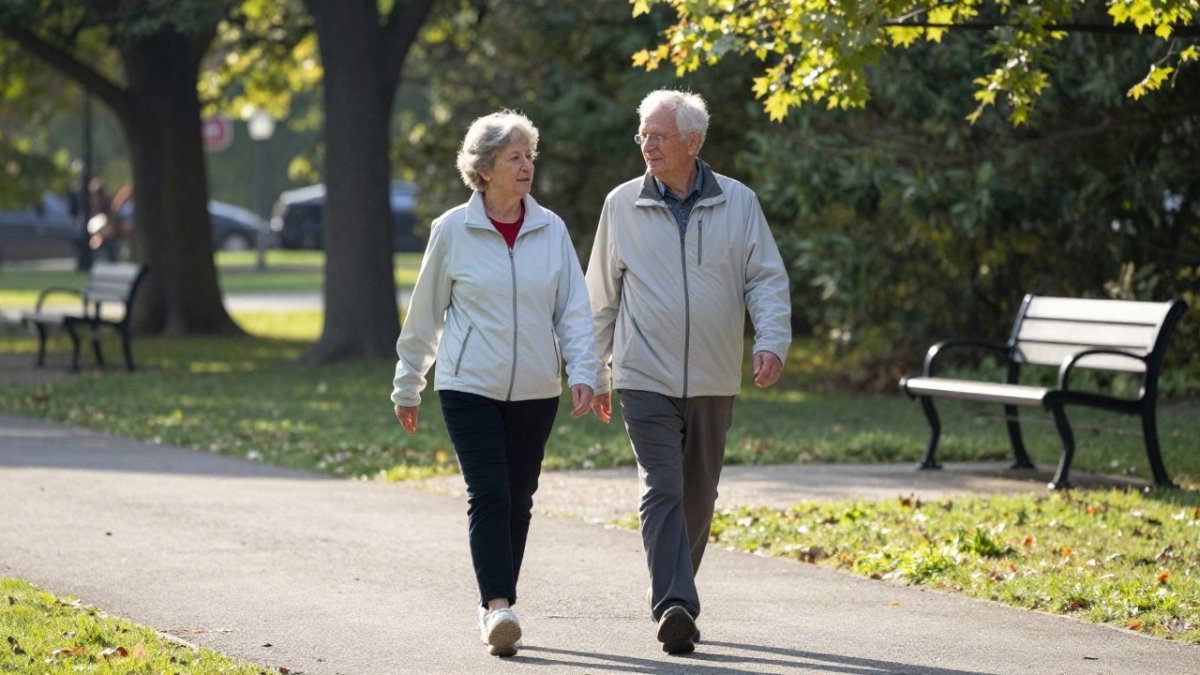
Strength and balance work matter as much as walking. Two short sessions a week with resistance bands or light weights can support mobility, and falls are a genuine threat to independence.
Consistency tends to matter more than intensity. Three twenty-minute walks a week, sustained for months, are more likely to be kept than an ambitious program abandoned in February.
Comparing Alternatives: Effort, Evidence and Cost
The table below compares the main alternatives by effort, strength of evidence, cost, accessibility, and safety notes, so you can see where each one earns its place.
| Alternative | Effort | Evidence | Cost (CAD) | Accessibility adaptations | Safety notes |
|---|---|---|---|---|---|
| Medical review of memory changes | One or two appointments | Strong for finding treatable causes | Covered by provincial health coverage | Ask for a phone or virtual visit if travel is hard; bring a medication list | Tell the clinician about all supplements and prescriptions |
| Aerobic and strength exercise | Moderate, ongoing | Strong for cognitive and physical health | Low; walking is free, resistance bands are inexpensive | Chair-based options, water exercise, and short indoor walks work for limited mobility | Check with a clinician before starting if you have heart or joint conditions |
| Sleep improvement | Moderate, ongoing | Strong for memory consolidation | Low to moderate | Blackout curtains, white-noise apps, and a consistent schedule suit most budgets | Ask about a sleep assessment if snoring or gasping is present |
| Social contact and mental stimulation | Low to moderate | Moderate | Low | Phone calls, video chats, and library programs reduce travel needs | Choose activities that match hearing and vision abilities |
| MIND-style diet | Moderate, ongoing | Moderate to strong | Moderate | Frozen berries and canned fish in water lower cost; batch cooking helps one- or two-person households | Discuss diet changes with a clinician if you manage diabetes or kidney conditions |
| Targeted supplement formula | Low | Mixed, ingredient-dependent | $30 to $60 per bottle | Easy to take, but check pill size and swallowing comfort | Review with a pharmacist for interactions with prescriptions and chronic conditions |
The pattern is clear: the highest-evidence options cost the least and ask the most. Supplements sit at the opposite corner. That does not make them useless; it makes them a supporting layer.
A practical way to use the table is to pick one row from the top half and one from the bottom half, then reassess in eight to twelve weeks.
Where a Targeted Formula Fits: Health IS Wealth Options
A targeted formula fits after the basics are in place and a specific goal remains. That is the position we take at Health IS Wealth Group Inc, and it shapes how we formulate. Our powder formulas use no binders, fillers, or sweeteners, and every ingredient listed on those labels is medicinal.
Health Canada licensed brain-focused options are:
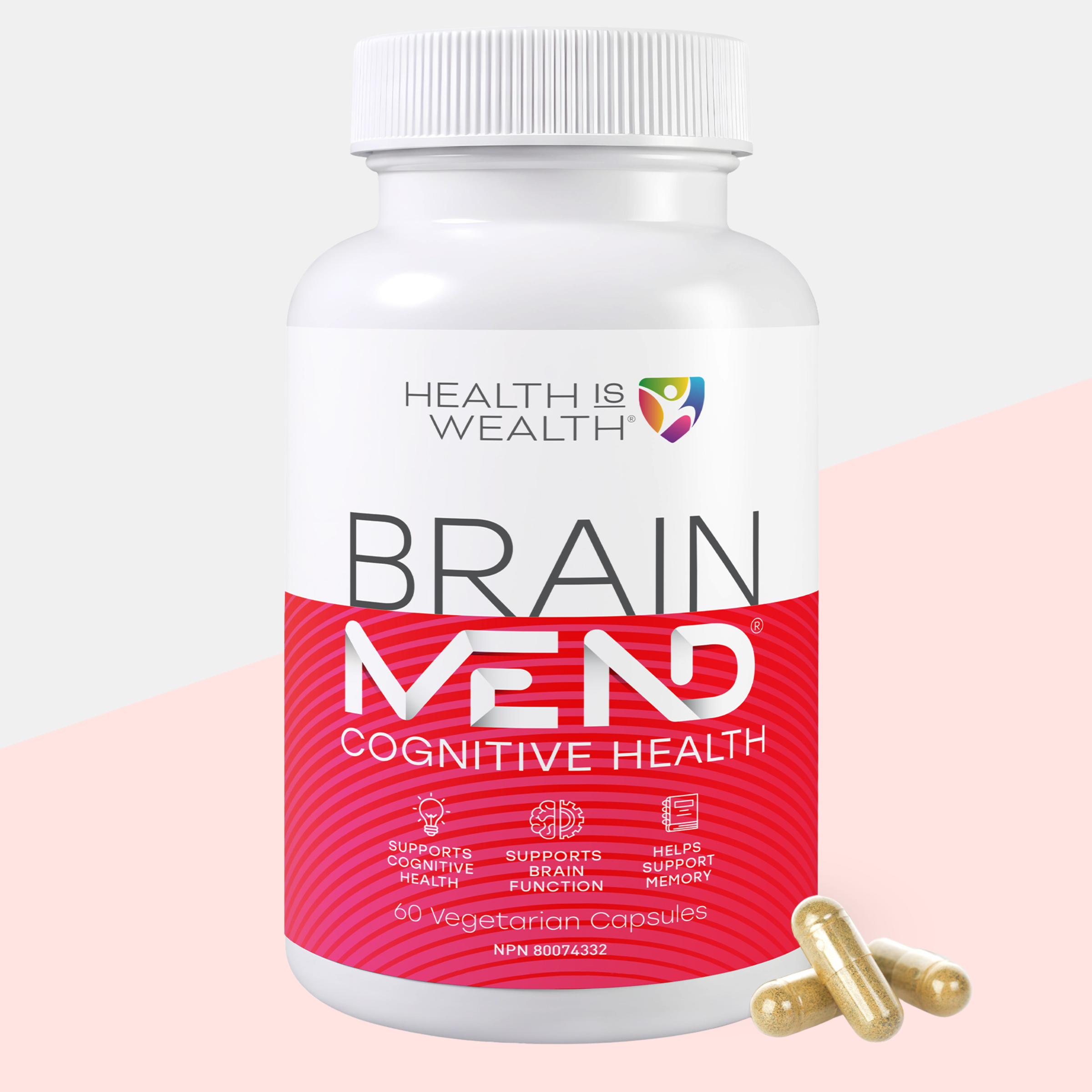
- BrainMEND® at $59.99, a nootropic formula aimed at memory and focus
- Lion's Mane + Astragalus at $30.00, a dual organic extract supporting cognitive health and immune function
- AugMEND® at $39.00, a formula supporting mitochondrial function and antioxidant protection
You can view the full BrainMEND® product page for ingredient details. If you take prescription medication, speak with your pharmacist before adding anything.
Building a Memory Support Plan That Fits Your Life
A workable plan starts with a medical review, adds one lifestyle change at a time, and only then considers a formula. Trying to overhaul everything in a single week is the most common reason these plans collapse.
Use this checklist:
- Book a medical review and bring a medication list
- Set a consistent sleep and wake time for two weeks
- Schedule three walks and one social contact per week
- Add two brain-supporting foods to your regular shopping list
- Track one memory-related goal in a notebook, weekly
- Reassess in eight to twelve weeks before adding a supplement
Caregivers can help by keeping the log and noting changes objectively. Bring that record to the next appointment; patterns over weeks tell a clinician far more than a single bad afternoon.
The hardest part is not finding alternatives to memory supplements for seniors. It is accepting that the effective ones ask for steady effort rather than a purchase.
Frequently Asked Questions
What are the best alternatives to memory supplements for seniors?
The strongest alternatives are regular aerobic exercise, a diet built around vegetables, berries, fish and olive oil, consistent sleep, social contact and mentally engaging activities. Each has research behind it and none requires a purchase. Many seniors combine two or three of these rather than relying on a single approach. If memory changes are affecting daily life, a doctor's assessment matters more than any supplement or lifestyle change.
Can lifestyle changes support memory as you age?
Yes, and they are the most studied options available. Physical activity, sleep quality, diet and social engagement all show associations with cognitive health in older adults. The effects are gradual rather than dramatic, so consistency matters more than intensity. Start with one change you can hold for months, such as a 20-minute walk most days, then add another once it becomes routine.
What foods may help support brain health in older adults?
Fish rich in omega-3 fatty acids, leafy greens, berries, nuts, beans and olive oil appear most often in research on cognitive health. These fit a Mediterranean-style eating pattern. No single food reverses memory loss, and the overall pattern of eating matters more than any one item. Reducing heavily processed foods and excess alcohol is part of the same picture.
When should memory changes be discussed with a health care professional?
Book an assessment when memory problems interfere with daily tasks, when someone repeats questions within minutes, gets lost in familiar places, or when family members notice changes the person does not. Sudden changes, or changes alongside confusion, mood shifts or medication adjustments, need prompt attention. A doctor can check for treatable causes such as thyroid issues, vitamin B12 deficiency, sleep problems or medication side effects.
Are memory supplements proven to prevent dementia?
No supplement has been proven to prevent dementia. Health Canada licenses natural health products for safety and quality, not as a guarantee of cognitive benefit. Some ingredients, including B vitamins and omega-3 fatty acids, have research behind them for specific situations, such as correcting a deficiency. Treat any product promising dementia prevention with caution and discuss it with a pharmacist or doctor, especially if you take prescription medication.


Comments